
Workshop
Introduction to The Theory and Practise of Compassion Focused Therapy
This is a three day online workshop with Dr Ashleigh McLellan & Dr Shelley Kerr
From £10 • Card, PayPal & bank transfer available
.png)
About this workshop
About this course
Compassion Focused Therapy (CFT) is now one of the fastestexpanding psychological therapies, with a steadily growing evidence base. A recent meta-analysis based on 7,875 participants (from 17 countries and over 14 years) found that CFT was effective in reducing overall negative mental health outcomes, depression, self-criticism and in improving compassion for self and others (Petrocchi et al, 2024).
This workshop will provides a comprehensive introduction to the theory and practice of CFT. Participants will learn how compassion can have an impact on our bodies, brains, minds and social relationships, and how we can bring this compassion into our therapeutic work. The CFT model draws on, and integrates, a number of different approaches and insights, such as including evolutionary approaches to the origins of our ‘tricky’ brain, with the nature of our complex of motives, and emotions and beliefs. This workshop will guide participants to in how to explore these processes including explore working with three basic emotion regulation systems that are focused on:
1. dealing with stresses and threats
2. guiding us to strive and pursuethings we want or need and are sources of positive feelings
3. settling threat and drive, and underpining social connectedness and feeling safe.
CFT utilises insights from attachment theory, emotion and body focused approaches, and cognitive behavioural frameworks. Participants will learn how compassion is viewed as a basic algorithm defined as sensitivity to suffering in self and others, with a commitment to alleviate and prevent it. They will explore how we can use the processes of engaging with suffering and the processes of taking action in therapeutic work. Workshop trainers will guide participants in understanding what is necessary to be able to develop empathic sensitivity, courage and wisdom to take effective actions to address the sources of mental and physical suffering.
Trainers will also guide participants through the basic elements and foundations of CFT and Compassionate Mind Training (CMT), including how to use the body to support the mind, the use of compassionate imagery, how to practise compassionate behaviours and texture compassionate cognitive interventions. These can be applies to the three flows of compassion (developing compassion for others, being open to the compassion from others and developing self-compassion), and how these dimensions of compassion can be met with fears, blocks and resistances, and how we can work with this. There will be a focus also on how we can use a compassion focused approach to work with the transdiagnostic problems of shame and self criticism.
Key Learning Areas
- The origins and development of CFT, and how compassion is defined and understood
- Understanding of CMT
- Introduction to an evolutionary model of human psychology and its influence on vulnerability to difficulties
- The role of social mentalities, and how this can inform our understanding of human behaviour and experience
- The role of attachment and how the presence/absence of early secure base and safe haven impacts development and capacities for compassion cultivation
- Key areas of psychoeducation, including ‘the tricky brain ’and the three circle model of emotion regulation
- Compassion as flow: compassion to others, being open to compassion from others and self-compassion
- Practices that stimulate compassion focused brain states and build a sense of a compassionate self identity
- How to use CFT and CMT work with shame and hostile self-criticism
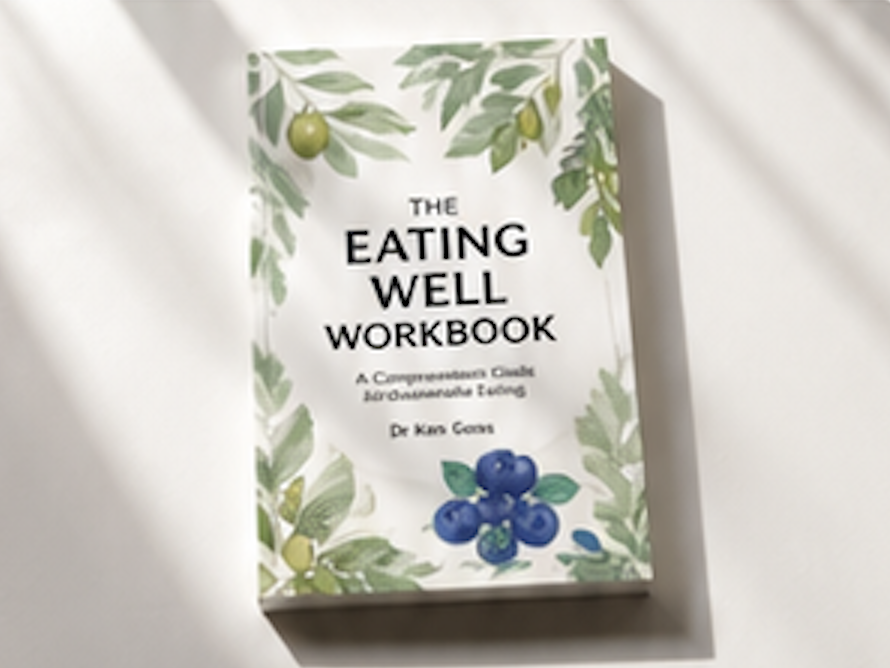
What you'll learn
Understand the link between compassion and eating behaviour
Explore practical tools from the workbook
Apply strategies for sustainable change
Develop a kinder relationship with food
Who this workshop is for
Anyone interested in improving their relationship with food and body
Healthcare and wellbeing professionals
No prior experience required
"The Compassionate Mind Foundation has been doing world-leading work, pioneering the science of compassion."
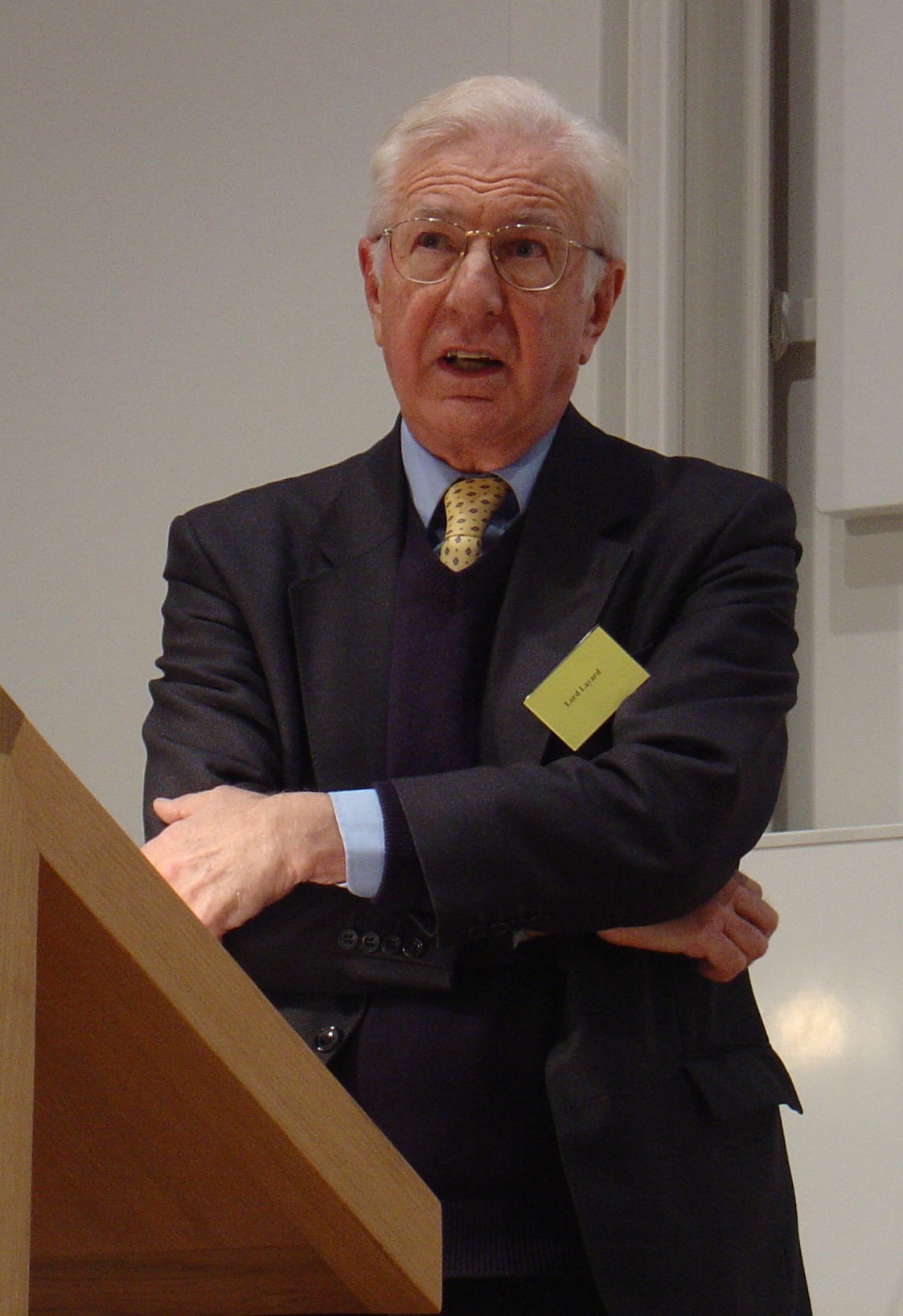
Meet your instructor
.jpeg)
FAQs
Lorem ipsum dolor sit amet, consectetur adipiscing elit. Suspendisse varius enim in eros elementum tristique.
As this course is aimed at an intermediate level, participants will be expected to have a basic understanding of the CFT model. If you are new to CFT, we would encourage you to attend one of our introductory trainings first.
Yes, this absolutley fine. The workshop will be recorded, and you'll be able to catch up on anything you've missed for up to a month after the live broadcast.
All delegates signed up to the workshop will recieve joining links and instructions when they sign up for the event via Eventbrite. Any additional handouts will be sent to you as soon as they are recieved from the speaker. If you do not recieve a welcome email when you book, or have other queries, please email hello@compassionatemind.co.uk.
Yes, towards the bottom of the page under the 'prices' section you will find a link to download a booking form for this workshop. Please fill this in and email to finance@compassionatemind.co.uk
Yes, this workshop will be recorded on zoom. Once the workshop has finished all delegates will receive a follow-up email with the links to view these along with any extra resources. These will be available to view for around 3 months post-event. The recordings are edited, so will be made available roughly a week after the workshop has finished.
If you find you are unable to attend this course, please email our admin team via hello@compassionatemind.co.uk as soon as possible. You will be given the option to transfer to another course (within 12 months). Refunds are available if cancellation occurs no less than one month before the start of the course, although we will consider exceptional circumstances.
Yes we will email certificates of attendance to all attendees, however as this is for personal practice and not for continuing professional development, the certificate will not include any CPD.
Yes, this workshop will be recorded on zoom. Once the workshop has finished all delegates will receive a follow-up email with the links to view these along with any extra resources. These will be available to view for around 3 months post-event. The recordings are edited, so will be made available roughly a week after the workshop has finished.
Still have questions?
Lorem ipsum dolor sit amet, consectetur adipiscing elit.


.svg)
%20reverse.svg)


.svg)
%20reverse.svg)


